Switching to reusable household items that save money, such as cloth towels and refillable coffee pods, can significantly reduce monthly expenses by replacing frequent single-use purchases. While high-frequency swaps like water bottles and silicone bags offer the best returns, consumers should skip specialized reusables that are difficult to clean or carry excessive upfront costs.
Every trip to the grocery store reveals a hidden tax on your household budget in the form of disposables that are designed to be discarded. From paper towels to plastic storage bags, these convenience items create a perpetual cycle of spending that quietly erodes your savings. At Alvin Shops, we believe that true value lies in durability and intentionality; a single, thoughtful purchase can replace hundreds of recurring ones. This guide explores seven essential reusable household items that offer a significant return on investment, alongside the specific math you need to calculate your breakeven point. We will also identify three common swaps that fail to deliver on their promise of savings, ensuring your transition toward a more sustainable home in Cedar City is both practical and profitable.
The Real Cost of Convenience: Why Reusable Household Items Matter
Think of your household shopping list as a series of unintended subscriptions. Every time you reach for a roll of paper towels or a box of plastic wrap, you are committing to a recurring expense that never ends. While these products offer immediate convenience, the long term financial drain is significant. Research indicates that the average American household spends over $120 annually just on paper towels. When you factor in napkins, plastic baggies, and single-use coffee pods, these small, repetitive purchases quietly erode your monthly budget.
The transition to reusable household items that save money is not just about environmental impact; it is a calculated financial move. However, it is vital to distinguish between true utility and trendy clutter. The market is currently flooded with eco-friendly gadgets that often serve as nothing more than expensive dust-collectors. A specialized silicone saver that is harder to clean than the food it protects is not a win for your wallet or your schedule.
For residents here in Cedar City, the path to local sustainability lies in prioritizing durability over novelty. We value a reliable retail experience that focuses on items capable of surviving daily use in a busy home or office. By choosing a curated selection of everyday essentials designed for longevity, you stop the cycle of constant replacement. True value comes from recognizing that convenience is only worth the price if it does not require a permanent, wasteful line item in your budget.
The Kitchen Heavyweights: Where Reusable Swaps Win Big
The kitchen is the primary source of recurring household waste, making it the most logical place to start your transition. Identifying the highest return on investment (ROI) swaps requires looking at products with high daily turnover. By focusing on these specific areas, you can transform your kitchen from a site of constant depletion into a space that rewards durability.
Washable cloths provide the most significant financial return. If your household currently uses two rolls of paper towels a week, you are spending between $150 and $200 annually on paper you simply throw away. By switching to a set of professional grade microfiber cloths for sanitizing surfaces and heavy cotton towels for drying dishes, that expense drops to nearly zero. Microfiber is particularly effective for trapping grease and dust, often reducing the need for expensive chemical sprays. Heavy cotton provides the necessary absorbency for large spills, and both materials can be laundered hundreds of times before showing signs of wear.
Food preservation is another area where reusable household items that save money outperform their disposable counterparts. Plastic cling film is notoriously difficult to use and offers no long term value. Silicone stretch lids and beeswax wraps provide a superior alternative. Silicone lids create a true airtight vacuum seal on glass or ceramic bowls, which keeps food fresh longer than loose plastic film. Unlike disposables, these items are designed for years of service. Most households find that a single set of silicone lids pays for itself within three to four months by eliminating the need to buy rolls of plastic wrap.
For coffee drinkers, the shift from single use pods to reusable filters represents a massive price reduction. Purchasing bulk grounds for use in a gold-tone drip filter or a reusable K-cup reduces the cost per cup by as much as 75 percent compared to pre-packaged pods. When you buy pods, a significant portion of the price covers the plastic housing and individual packaging rather than the coffee itself. Switching to a reusable filter allows you to invest in higher quality coffee while still lowering your monthly grocery bill.
When you select a curated selection of everyday essentials based on their utility, you ensure your kitchen functions efficiently without hidden costs. The goal is to reach a breakeven point where the initial purchase price of the reusable item is fully recovered through avoided costs. For these kitchen heavyweights, that point usually occurs within three to six months. This strategy is a core part of a reliable retail experience that prioritizes practical, long term value over the cycle of constant replacement.
Food Storage and On the Go Essentials
The transition from kitchen management to mobile efficiency represents the next step in curbing unnecessary spending. When you consider the "Out and About" category, the waste often stems from a lack of preparation. High quality glass or stainless steel containers are foundational reusable household items that save money because they eliminate the need for disposable plastic sandwich bags and flimsy, single-use containers that warp or leach chemicals over time.
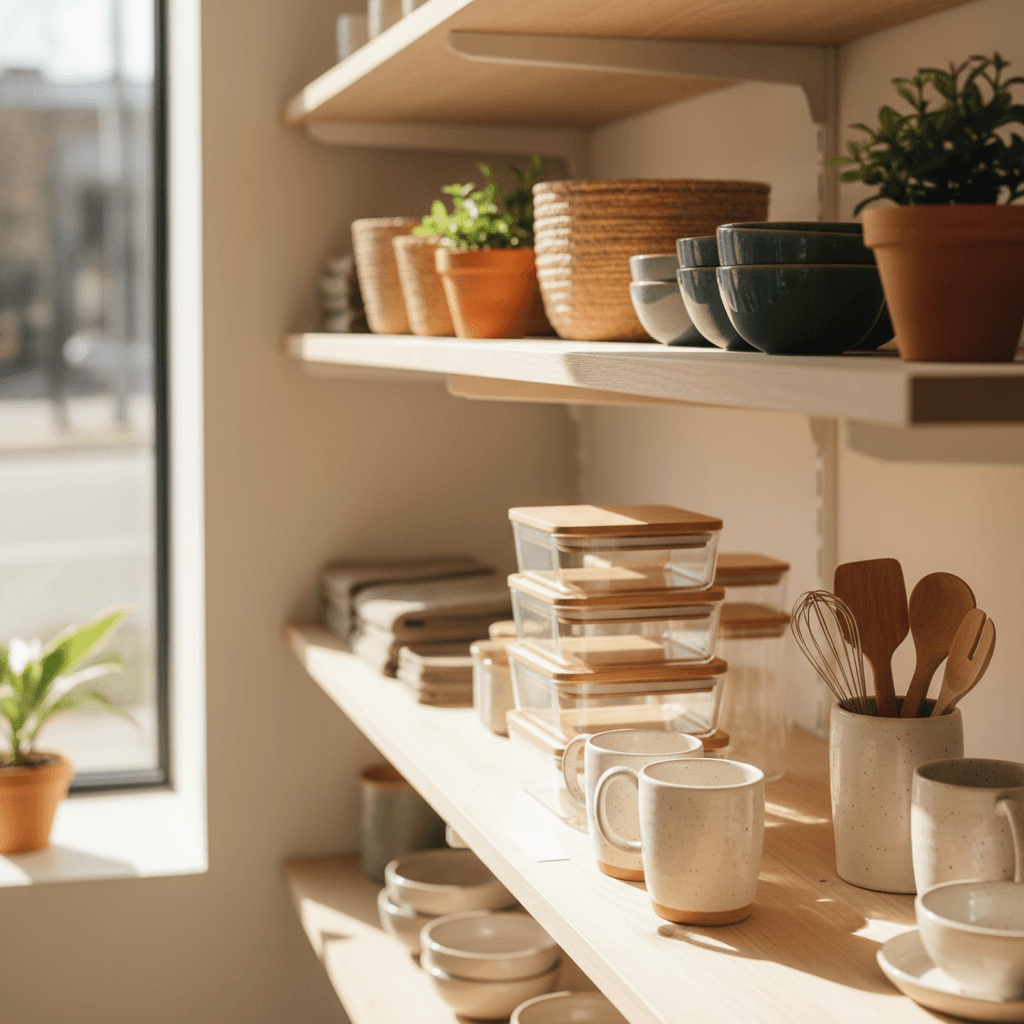
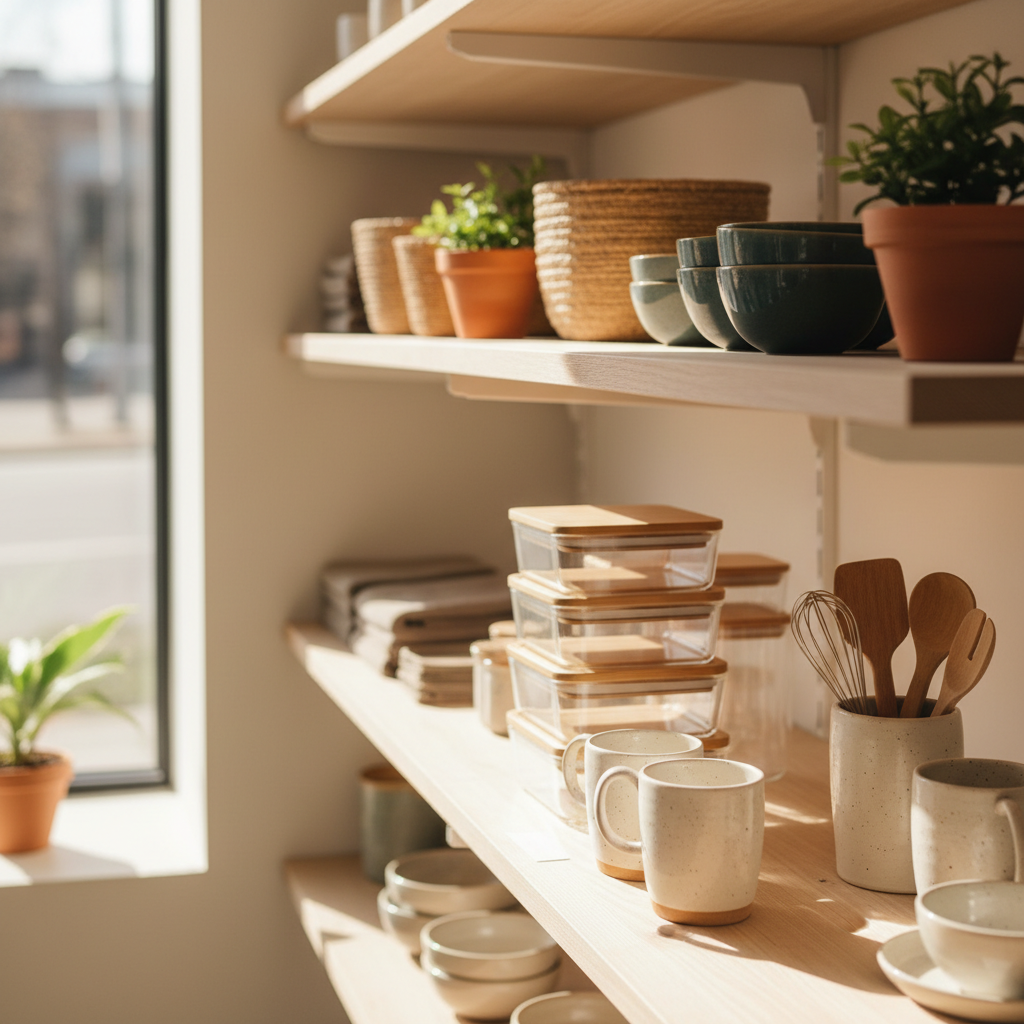
Investing in a set of tempered glass containers allows for a seamless transition from refrigerator to lunch bag. Unlike plastic, these materials do not absorb odors or stains, ensuring a reliable retail experience where the product remains functional for years rather than months. For a family in Cedar City, these durable options simplify packing for a day at one of our local parks or a long shift at a local office. The durability of stainless steel is particularly useful for packing snacks for children, as it survives drops and heavy use that would destroy cheaper alternatives. The cost comparison is stark when viewed annually.
Item | Disposable Cost (Annual) | Reusable Cost (One-Time) | Annual Savings |
|---|---|---|---|
Plastic Sandwich Bags | $45 - $60 | $15 - $25 (Silicone/Glass) | $30+ |
Bottled Water Cases | $300 - $500 | $20 - $40 (Insulated Bottle) | $280+ |
Single-Use Cutlery | $15 - $25 | $0 (Using existing flatware) | $15+ |
Hydration is perhaps the most obvious area for immediate savings. A household that consumes two cases of bottled water a week can spend over $500 annually. A single, high quality insulated water bottle represents a one-time investment that typically costs less than a month’s worth of plastic bottles. Beyond the financial savings, these bottles maintain temperature for hours, providing a practical advantage for summer commutes or hiking trails around Southern Utah. By focusing on a curated selection of everyday essentials designed for mobility, you reduce the convenience tax associated with being away from home. These swaps are about creating a system where you no longer need to buy the same items repeatedly.
The Math of the Breakeven Point
To determine if a switch truly qualifies as one of the reusable household items that save money, you must look past the initial price tag and calculate the breakeven point. This requires a simple cost per use formula: divide the purchase price by the number of times the item replaces a disposable alternative. For example, if you purchase a high quality $20 reusable grocery bag to replace five cent plastic bags, you must use that bag at least 400 times to break even. If you shop once a week and use that bag, it will take nearly eight years to see a return. This formula helps filter out trendy items that never actually pay for themselves.
Practicality also involves hidden maintenance costs. A reusable item that requires specialized chemical cleaners or excessive high heat laundry cycles to remain sanitary can quickly negate its own financial benefits. If the energy cost of washing a set of heavy cotton cloths exceeds the cents saved by not buying a roll of paper towels, the swap is a wash. At Alvin Shops, we focus on a curated selection of everyday essentials that offer a reliable retail experience by balancing durability with low maintenance requirements. Assessing the total cost of ownership, including the time and resources needed for upkeep, ensures your investment actually stays in your pocket.
Three Reusable Swaps That Often Do Not Save You Money

Understanding the math of a breakeven point reveals that not every eco-friendly purchase qualifies as one of the reusable household items that save money. Some products are designed to solve problems that do not actually exist, or they are built so poorly that they never survive long enough to pay for themselves. Avoiding these three categories will help you maintain a reliable retail experience without wasting capital on trendy clutter.
First, avoid overly specialized kitchen gadgets like dedicated avocado savers or onion pods. These items often require precise fruit sizing to work correctly and are frequently difficult to sanitize in a standard dishwasher cycle. If a gadget takes more time to clean and store than the five cents of produce it preserves, it is a functional liability. A simple glass container from a curated selection of everyday essentials is almost always more versatile and cost effective than a drawer full of single-use plastic shapes.
Second, be wary of low quality, bargain versions of common products. This includes thin silicone bags that tear at the seams or brittle bamboo cutlery that splinters after only a few uses. These items are often marketed as sustainable solely because of their material composition, but their lack of structural integrity necessitates frequent repurchasing. If a reusable item fails after three uses, its cost per use is significantly higher than the disposable alternative it was meant to replace. True value is tied directly to durability.
Finally, steer clear of designer reusable bags and luxury sustainability kits. When a canvas tote costs $40, the math for replacing five cent plastic bags fails completely; you would need to use that specific bag 800 times just to break even. This is a common example of greenwashing, where high prices are justified by a sustainable label rather than actual utility. True financial value comes from choosing sturdy, reasonably priced items that prioritize function over aesthetic trends. By filtering out these high cost, low return items, you ensure your household budget remains focused on genuine long term savings.
How to Go Zero Waste on a Budget in Cedar City
Adopting a zero waste lifestyle in Cedar City does not require a large upfront investment or a complete overhaul of your pantry. The most effective way to integrate reusable household items that save money is to start with materials you already own. Before purchasing specialized containers or bags, look through your existing inventory. Old, worn out T-shirts can be cut into squares and repurposed as cleaning rags. This simple swap provides a free alternative to paper towels for scrubbing countertops or cleaning windows, and it does not noticeably increase your weekly laundry load.
A common mistake is discarding perfectly functional disposable products to make room for eco-friendly versions. To stay on budget, follow the "run out" rule. Continue using your current supply of plastic wrap, foil, or paper napkins until they are completely exhausted. Only then should you invest in a durable replacement. This phased approach prevents waste and spreads out the cost of new purchases.
Strategy | Immediate Cost | Long-Term Benefit |
|---|---|---|
Repurposing T-shirts | $0 | Eliminates paper towel recurring costs |
Glass Jar Reuse | $0 | Durable food storage without new kits |
Phased Replacement | Variable | Spreads out investment, avoids clutter |
At Alvin Shops, we advocate for a reliable retail experience that avoids the clutter trap of trendy, niche products. Our curated selection of everyday essentials is built on the principle that a few high quality items are more valuable than a dozen specialized gadgets. By focusing on multi-purpose durability rather than buying an entire "zero waste kit," you maintain a clean, organized home while steadily reducing your monthly overhead.
Shopping for Durability: The Alvin Shops Philosophy

Selecting reusable household items that save money requires a shift from impulsive buying to intentional curation. At Alvin Shops, our philosophy centers on the physical integrity and everyday usability of every product. We move past the marketing hype to identify items that offer a reliable retail experience by performing consistently under heavy use. A modern marketplace should act as a filter, helping you distinguish between a thin, low grade silicone lid and a thick, food grade alternative that maintains its seal after dozens of dishwashing cycles.
Shopping locally in Cedar City provides a distinct advantage in this process. While online descriptions often use generic terms, visiting a physical location allows you to inspect the material quality firsthand. You can feel the gauge of the stainless steel or the weight of the tempered glass to ensure it meets your standards for durability. This tactile verification is the best way to guarantee an item will survive long enough to reach its financial breakeven point. Our curated selection of everyday essentials is built around these practical realities, ensuring that every purchase serves as a long term asset for your home or business rather than just another item to eventually replace.